
Trusted by 140+ Homeowners
Hospital Water Damage Restoration in Steilacoom, WA
- Over 144 5-Star Reviews
- Free Estimates and Quotes
- 100% Satisfaction Guaranteed
- Child, Family & Pet Safe Steps
- 24-Hour Emergency Service
- Fully Licensed & Insured

Expert Hospital Water Damage Restoration in Steilacoom, WA
You’re dealing with a tough situation. When water infiltrates a hospital setting, it’s not just about property damage; it’s about patient safety and operational continuity. Our team has years of hands-on experience tackling these complex scenarios right here in the Pacific Northwest. We understand the unique challenges of restoring critical facilities after water events, from minor leaks to significant flooding, ensuring minimal disruption to vital services. We know how to handle sensitive environments and restore essential functions quickly.
Homeowners and facility managers in your neighborhood trust us because we deliver results, earning us over 165 five-star reviews. We don’t just fix the visible damage; we address the underlying issues that others might miss. For Hospital Water Damage Restoration, you need a team that understands the stakes involved and has a proven track record. We’ve seen it all, from burst pipes in imaging suites to HVAC system failures causing widespread issues, and we’re prepared for whatever your property throws at us. You’ll find our crews responsive and thorough.
- We meticulously dry and sanitize all affected areas, using advanced techniques to prevent the spread of pathogens and ensure a safe environment for patients and staff.
- Our technicians are trained to handle sensitive medical equipment and infrastructure, minimizing the risk of secondary damage to invaluable assets.
- We work efficiently to restore your facility’s operations, understanding that every hour of downtime impacts patient care and revenue.
How Hospital Water Damage Restoration Actually Works
Restoring a hospital after water damage is a delicate operation that requires precision and expertise. Simply removing standing water and drying surfaces isn’t enough; a thorough, systematic approach is vital to prevent long-term health hazards and structural compromises. When corners are cut, you might face mold growth, lingering odors, and compromised building integrity down the line. Our process is designed to protect your facility’s critical functions and ensure a healthy, safe environment for everyone. We focus on complete water extraction and thorough structural drying.
Emergency Water Extraction
Our first priority is to remove all standing water as quickly as possible using powerful, industrial-grade pumps and vacuums. This step is crucial to stop the damage from spreading and to begin the drying process. We’ll make sure to remove bulk water efficiently, often within hours of arrival.
Advanced Drying and Dehumidification
Once the bulk water is gone, we deploy specialized drying equipment, including high-speed air movers and industrial dehumidifiers. These machines work tirelessly to lower humidity levels and draw moisture out of building materials like walls, floors, and ceilings. Our goal is to dry materials thoroughly and prevent microbial growth.
Sanitization and Odor Control
Water damage, especially in a healthcare setting, can harbor bacteria and create unpleasant odors. We use EPA-approved antimicrobial treatments and specialized cleaning agents to sanitize all affected surfaces and neutralize odors at their source. This ensures a hygienic environment and eliminates lingering smells.
Mold Prevention and Remediation
If water damage has been present for more than 24-48 hours, mold can begin to grow. We conduct thorough inspections to identify any existing mold and implement effective remediation strategies. Our team is committed to preventing future mold and ensuring your air quality is safe.
Reconstruction and Restoration
After drying and sanitization are complete, we’ll assess any damaged building materials that need to be repaired or replaced. This could include drywall, flooring, insulation, or even more extensive structural elements. We’ll work to restore your facility to its pre-loss condition.
Don’t let water damage compromise your facility’s integrity. Contact us immediately if you suspect water intrusion. We’re ready to help restore your operations.
Warning Signs You Need Hospital Water Damage Restoration
Catching water damage early is key to minimizing costly repairs and preventing health risks. Ignoring the signs can lead to more significant problems down the road, especially in a sensitive environment like a hospital. Keep an eye out for these indicators that signal a need for professional intervention. Early detection means faster intervention and reduced disruption.
Musty Odors That Won’t Go Away
A persistent, musty smell, especially in areas without obvious leaks, often indicates hidden moisture. This could be in walls, under floors, or in HVAC systems, and it’s a strong sign of potential mold growth. Ignoring these odors could lead to widespread mold contamination.
Visible Water Stains or Discoloration
Any new water spots, rings, or discoloration on walls, ceilings, or floors are clear indicators of water intrusion. These marks show where water has seeped into building materials. It’s important to address these stains promptly.
Peeling or Bubbling Paint and Wallpaper
Moisture trapped behind paint or wallpaper can cause it to peel, bubble, or blister. This is a visual cue that water is affecting the integrity of your wall surfaces. You need to investigate these signs immediately.
Sagging Ceilings or Walls
Structural damage from water can cause ceilings and walls to sag. This indicates that the materials are saturated and losing their strength. This is a serious sign that requires immediate professional assessment.
Elevated Humidity Levels
If the air in certain areas of your facility feels unusually damp or humid, it could be due to an undetected water source or inadequate drying from a previous event. High humidity creates an environment ripe for mold. You should monitor humidity closely.
Changes in Flooring
Warped, buckled, or loose flooring, especially in areas like vinyl, laminate, or hardwood, can be a direct result of water saturation. This affects both appearance and safety. It’s critical to examine your flooring for these changes.
Hospital Water Damage Restoration vs. DIY: When To Call a Professional
| Situation | DIY? | Call a Pro? | Why |
|---|---|---|---|
| Minor condensation on pipes in a non-critical area | Yes, monitor closely | Yes, if persistent | Condensation can lead to hidden moisture and mold if not addressed. |
| Small puddle (less than 1 square foot) from a temporarily fixed leak in a storage room | Yes, with caution | Yes, for thorough drying | Even small amounts of water can cause damage and mold if not fully dried and sanitized. |
| Water damage affecting patient rooms or operating theaters | No | Yes, immediately | Patient safety and infection control are paramount; professional sanitization is required. |
| Water damage impacting sensitive medical equipment or electrical systems | No | Yes, immediately | Risk of electrocution and damage to expensive, critical equipment necessitates expert handling. |
| Widespread flooding from a burst main pipe | No | Yes, immediately | Requires specialized equipment and expertise for safe and effective extraction and drying. |
| Persistent musty odors or visible mold growth | No | Yes, immediately | Mold poses significant health risks and requires professional remediation to remove safely. |
For any water damage scenario in a hospital setting, especially those involving patient care areas, critical equipment, or potential health hazards like mold, professional intervention is almost always the safest and most effective route. Our trained technicians have the knowledge and equipment to handle these complex situations. We ensure complete restoration and safety compliance.
Hospital Water Damage Restoration Cost In Steilacoom, WA
The cost of Hospital Water Damage Restoration in Steilacoom, WA, can vary significantly depending on the extent of the damage, the size of the affected area, and the specific systems or equipment involved. These figures are general estimates and an on-site assessment is necessary for an accurate quote. We aim to provide transparent pricing for our services.
| Service | Typical Price Range | What Affects Cost |
|---|---|---|
| Emergency Water Extraction | $500 – $3,000+ | Volume of water, accessibility, and time required. |
| Structural Drying and Dehumidification | $1,000 – $5,000+ | Square footage, depth of materials affected, and duration of drying. |
| Antimicrobial Treatment and Sanitization | $300 – $1,500+ | Affected area size and type of treatment needed for health standards. |
| Mold Inspection and Testing | $200 – $800+ | Scope of inspection and number of samples collected. |
| Mold Remediation | $1,000 – $10,000+ | Severity and spread of mold, containment procedures, and materials needing removal. |
| Reconstruction and Repair | Varies widely | Extent of damage to drywall, flooring, ceilings, and structural components. |
Your final cost will depend on a detailed assessment of your specific situation. We offer free, no-obligation estimates to help you understand the investment required for proper restoration. Contact us to schedule your assessment and get a clear picture of the costs involved.
Service Areas Near Steilacoom, WA
Lakewood, Tacoma, Fircrest, University Place, Puyallup, Sumner, Bonney Lake, Gig Harbor, Fox Island, Eatonville, Spanaway, Parkland, South Hill, Federal Way, Des Moines, Kent, Auburn, Renton, Seattle, Bellevue.
Common Questions About Hospital Water Damage Restoration
What’s the difference between water damage and flood damage in a hospital?
Water damage typically refers to issues caused by internal sources like plumbing leaks, appliance malfunctions, or HVAC failures. Flood damage usually involves external water sources, such as heavy rain or overflowing bodies of water. Both require professional attention, but flood damage often involves more contaminated water and can be more extensive, requiring specialized containment protocols and thorough decontamination.
How quickly do I need to address water damage in my hospital?
You need to address water damage immediately. Within 24-48 hours, bacteria and mold can begin to grow, posing serious health risks to patients and staff. The longer you wait, the more extensive and costly the repairs will become. Prompt action is critical for limiting microbial growth and preserving building materials.
Will my insurance cover hospital water damage restoration?
Most standard commercial property insurance policies cover accidental water damage. However, coverage for flood damage, especially from external sources, may require a separate flood insurance policy. It’s important to review your specific policy and contact your insurance provider as soon as possible. We can help by providing detailed documentation for your claim and working directly with your adjuster to ensure a smooth process.
What kind of equipment do you use for drying a hospital?
We use a range of industrial-grade equipment, including high-volume water extractors, powerful air movers, and commercial-grade dehumidifiers. We also employ specialized equipment like thermal imaging cameras to detect hidden moisture and LGR (Low-Grain Refrigerant) dehumidifiers for maximum efficiency in critical environments. This advanced technology ensures thorough drying and complete moisture removal.
Can water damage in a hospital lead to long-term health problems?
Absolutely. If not properly remediated, water damage can lead to the growth of mold and bacteria, which can cause a variety of health problems, including respiratory issues, allergies, and infections. This is especially concerning in a hospital setting where vulnerable individuals are present. Our goal is to ensure long-term health safety by performing meticulous drying and sanitization.
Check Our Other Relevant Services
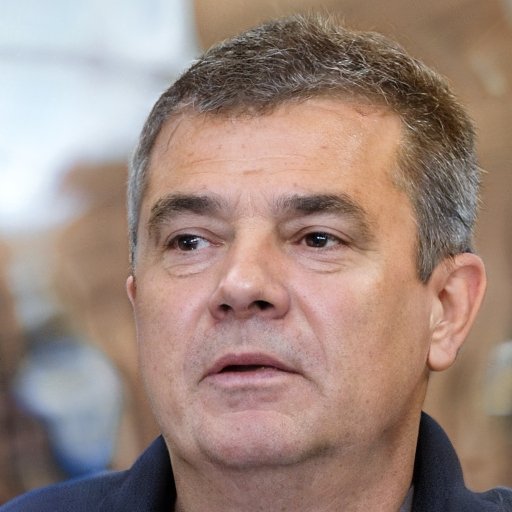
Jesse Gary is a licensed Damage Restoration Expert with over 20 years of experience in property recovery and environmental safety. A recognized industry leader, Jesse specializes in returning distressed properties to pristine condition using advanced restoration science. His deep technical knowledge and commitment to quality make him a trusted resource for homeowners facing complex disaster scenarios.
𝗖𝗲𝗿𝘁𝗶𝗳𝗶𝗰𝗮𝘁𝗶𝗼𝗻𝘀: Jesse is highly credentialed with IICRC certifications in Water Damage Restoration (WRT), Mold Remediation (AMRT), Applied Structural Drying (ASD), Odor Control, and Fire and Smoke Restoration.
𝗙𝗮𝘃𝗼𝗿𝗶𝘁𝗲 𝗣𝗮𝘀𝘁𝗶𝗺𝗲: Outside of the field, Jesse is a dedicated marathon runner and enjoys exploring national parks with his family.
𝗕𝗲𝘀𝘁 𝗣𝗮𝗿𝘁 𝗼𝗳 𝘁𝗵𝗲 𝗝𝗼𝗯: Jesse finds the most meaning in being a stabilizing force for families during a crisis, transforming a damaged house back into a safe, welcoming home.