When an attic leak soaks insulation in Rainier Valley, WA, a local crew responds within hours, using IICRC-standard drying methods to stop mold and protect the structure below.

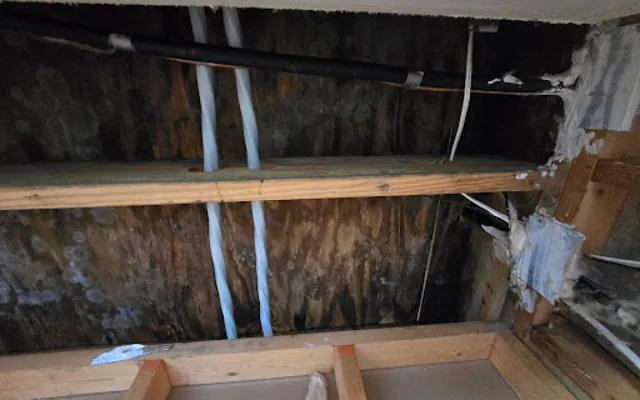
A technician first finds the leak's entry point, often at old flashing or a roof valley. They then use moisture meters to map the full wet area in the attic, knowing exactly what needs drying before any work starts.
Soggy insulation holds water against the roof deck and cannot be saved. The crew carefully bags and removes all the affected batts or blown-in material to allow air to circulate around the rafters and sheathing for proper drying.
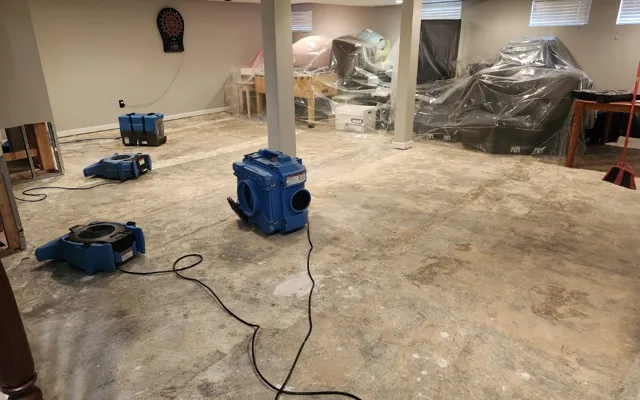
Powerful air movers and dehumidifiers are placed in the attic to extract moisture from the wood. The team monitors the process closely, logging moisture readings until the framing meets the dry standard, providing documentation for the homeowner.

Attic water damage cleanup in Rainier Valley usually runs from about $1,500 to $6,000, driven by how much insulation is saturated, whether framing and sheathing need extended drying, and how far the water traveled toward the ceiling below. A small isolated flashing leak sits at the low end, while widespread insulation loss and wet decking across a large attic sits higher. The crew documents moisture readings and photos so the loss can be itemized for the carrier.
Rainier Valley's older homes, many with original roofing and flashing, are vulnerable to the persistent rain and wet weather of western Washington. When water finds a way in from a worn valley or a compromised vent boot, it soaks attic insulation, threatening the ceiling below and creating a hidden moisture problem that needs immediate attention. The valley's slow drainage means heavy rain can overload systems, but attic leaks here often start with aging roof components on older housing stock, with wind-driven rain exploiting small gaps in flashing or worn shingles over time. From Rainier Valley, crews also cover nearby Greenwood, Delridge, West Seattle, Columbia City, Wedgwood, Mercer Island. See every neighborhood and town on the full service area page.
See all areas servedEvery loss is photographed, measured, and logged from the first visit, so the paperwork holds up with the insurance carrier.
Technicians follow recognized IICRC drying standards and prove it with daily moisture readings on Rainier Valley homes, not guesswork.
Emergency dispatch any hour of the day or night, with a real crew on the way across the Puget Sound area, not a callback in the morning.
A real crew dispatched any hour, not a callback in the morning.
Trained technicians following recognized IICRC drying standards.
Truck-mounted, portable, and submersible for any size loss.
The loss is documented and billed to the carrier directly.
No, once fiberglass or cellulose attic insulation is saturated, it loses its R-value and can mold. It acts like a sponge, holding moisture against the wood. Local crews always remove it to properly dry the structure underneath and prevent further damage.
Drying an attic typically takes 2 to 4 days, depending on the extent of wetting and the weather. The humid marine climate can slow the process, so crews use industrial dehumidifiers to control the environment and ensure the wood is dry to the standard.
Crews are on call 24 hours a day and can be on the way to Rainier Valley within the hour.
Call (206) 984-4939