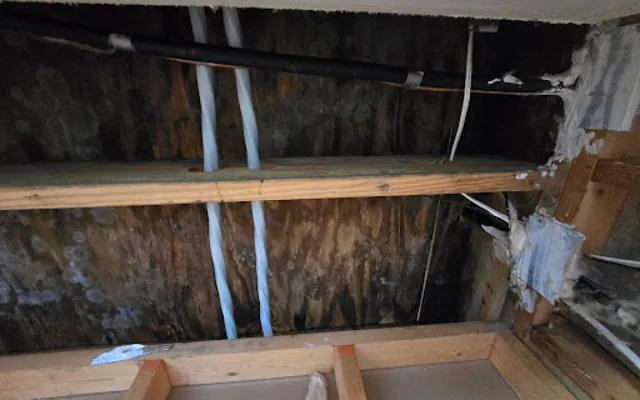
Seattle attics take a beating from months of steady rain, and a small roof or flashing leak can soak insulation and framing long before a ceiling stain shows. Fast response and moisture-verified drying keep the damage from spreading.

A crew responds around the clock, traces the leak to its roof or flashing source, and maps the wet area with moisture meters so the full extent above the ceiling is known before drying starts.
Saturated insulation holds water and cannot be dried in place, so the affected batts or blown-in material are bagged and removed to expose the framing and sheathing underneath.
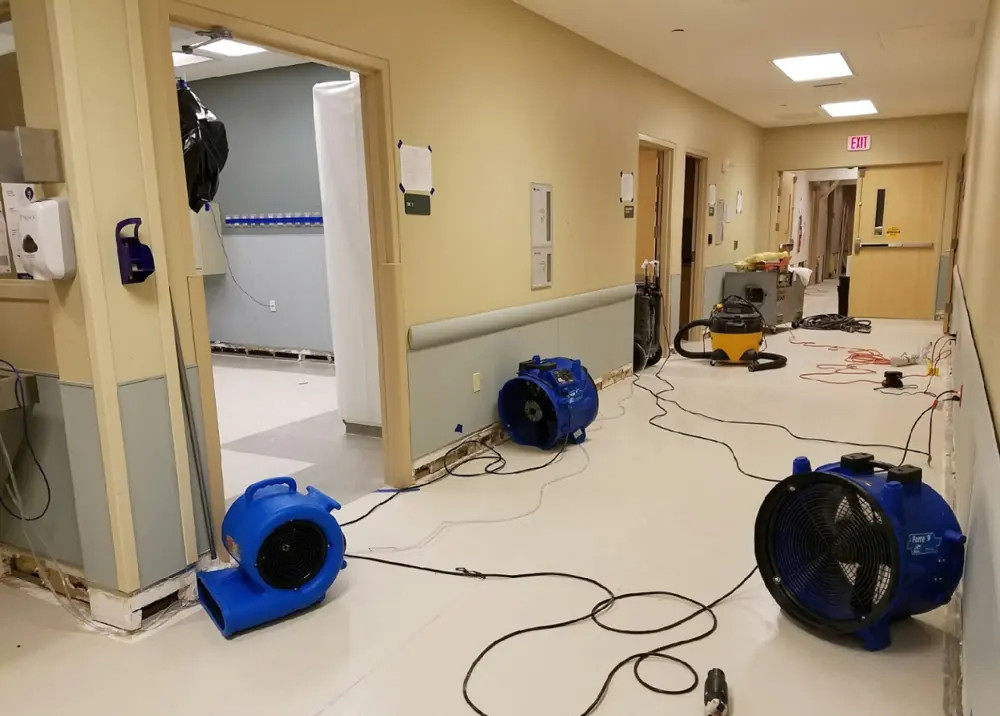
Air movers and dehumidifiers are staged in the attic to pull moisture from rafters, joists, and roof decking, with industry-standard drying equipment sized to the space.
Framing is dried to a verified target and every reading is logged, with photos and notes prepared so the homeowner can submit a clean insurance claim.

While help is on the way, these first steps, done only where it is safe, limit the damage and protect the insurance claim.
Shut the supply off at the source, or close the home's main valve if the source is not obvious. Stopping the flow limits the damage more than anything else.
Switch off electricity to the affected area, but only if the breaker can be reached without standing in or touching the water.
Get a crew dispatched right away. The sooner extraction and drying begin, the more flooring, drywall, and belongings can be saved.
Take photos and a short video of the water and the affected rooms before anything is moved, so the insurance claim starts strong.
Attic water damage cleanup in Seattle usually runs from about $1,500 to $6,000, driven by how much insulation is saturated, whether framing and sheathing need extended drying, and how far the water traveled toward the ceiling below. A small isolated flashing leak sits at the low end, while widespread insulation loss and wet decking across a large attic sits higher. The crew documents moisture readings and photos so the loss can be itemized for the carrier.
Crews reach Seattle and the surrounding Puget Sound communities fast, from Ballard, Fremont, Queen Anne, and Capitol Hill to West Seattle, Shoreline, Burien, Renton, Bellevue, and Kirkland. See the full list on the areas served across Seattle page.
See all areas servedEvery loss is photographed, measured, and logged from the first visit, so the paperwork holds up with the insurance carrier.
Technicians follow recognized IICRC drying standards and prove it with daily moisture readings on Seattle homes, not guesswork.
Emergency dispatch any hour of the day or night, with a real crew on the way across the Puget Sound area, not a callback in the morning.
A real crew dispatched any hour, not a callback in the morning.
Trained technicians following recognized IICRC drying standards.
Truck-mounted, portable, and submersible for any size loss.
The loss is documented and billed to the carrier directly.
Common signs are a musty smell, a spreading ceiling stain, sagging drywall below, or matted, discolored insulation. In Seattle's long wet season these often show up after weeks of rain. A moisture meter reading of the framing confirms whether the area is still wet or has dried on its own.
Usually yes. Saturated blown-in and batt insulation traps water, loses its R-value, and stays damp for a long time in the humid marine air, which invites mold. Trained technicians remove the wet material, dry the framing underneath, and note where fresh insulation should be reinstalled after repairs.
Often, yes. If the water stayed in the attic and the ceiling below reads dry, the crew can dry the attic from above and leave the finished ceiling intact. When moisture has already reached the drywall downstairs, a small controlled opening may be needed to dry the cavity fully.
Cleanup and drying stop the water damage, but the permanent roof or flashing fix is handled by a qualified roofing contractor. The crew traces and documents the source so that repair is targeted, then verifies the attic is dry before the space is buttoned up.
A sudden leak, such as failed flashing or storm-driven intrusion, is often covered, while long-term wear or deferred maintenance is commonly excluded. Because the cause matters, the crew documents where and how the water entered along with moisture readings to support the claim.
Seattle crews are on call 24 hours a day, local and fast, and can be on the way within the hour.
Call (206) 984-4939