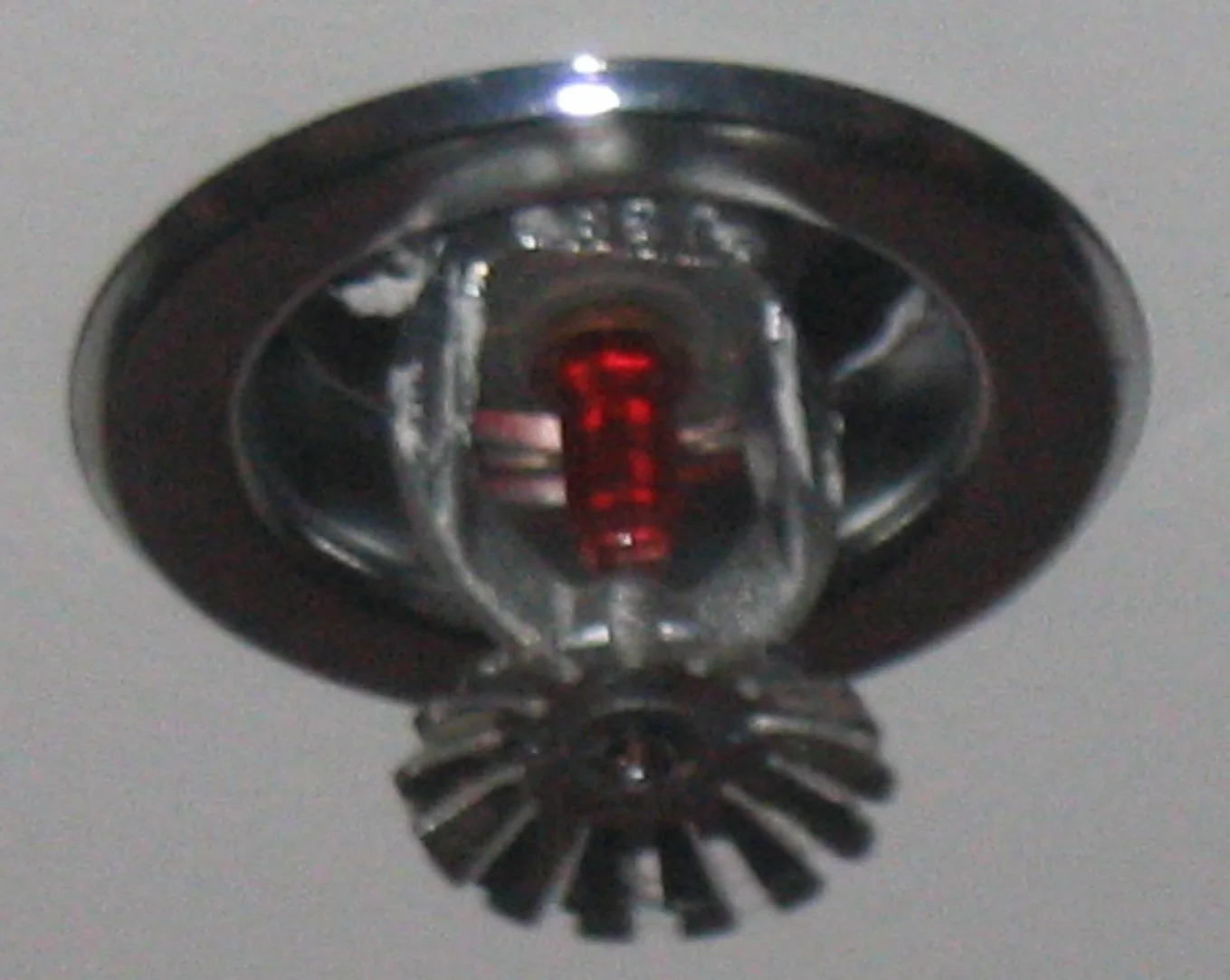
A single activated sprinkler head can release dozens of gallons a minute across a condo or office. In Seattle's dense towers and mixed-use buildings, fast extraction and drying limit the spread to units and floors below.

A crew responds around the clock, confirms the system is shut down, and maps how far the water has spread across the unit and into spaces below.
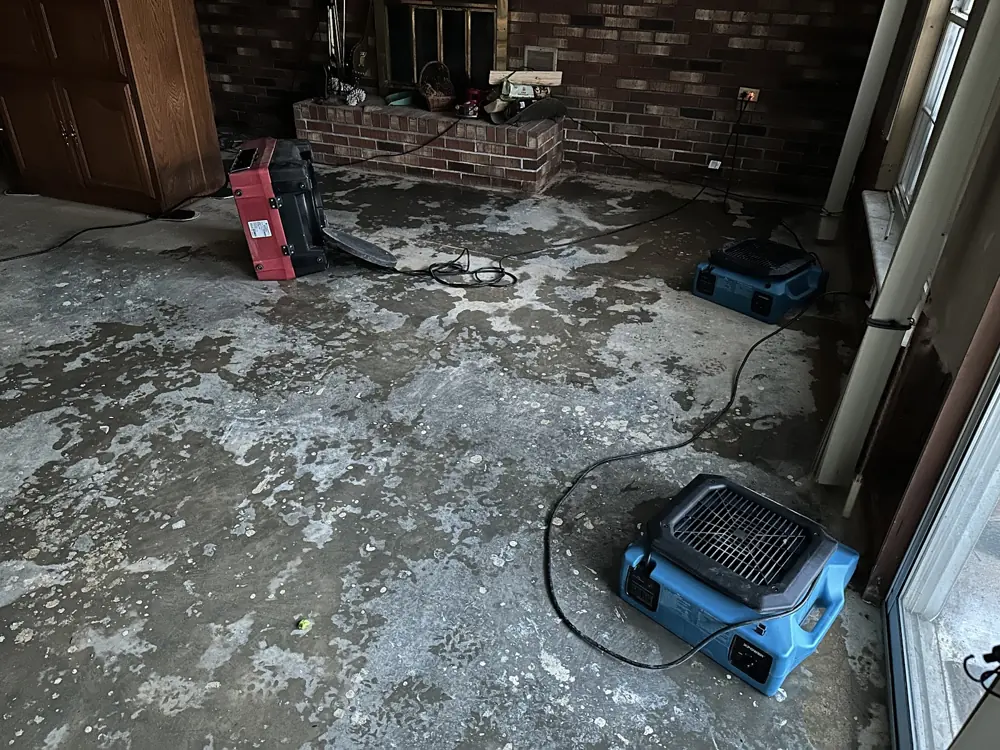
Truck-mounted and portable extraction units clear the large volume of standing water quickly from floors and any ceiling cavities holding water.
Air movers and dehumidifiers are staged across the affected unit and the spaces below, with equipment scaled to the number of rooms involved.
All affected areas are dried to a verified target, and readings and photos are logged for the building and each owner's insurance claim.

While help is on the way, these first steps, done only where it is safe, limit the damage and protect the insurance claim.
Shut the supply off at the source, or close the home's main valve if the source is not obvious. Stopping the flow limits the damage more than anything else.
Switch off electricity to the affected area, but only if the breaker can be reached without standing in or touching the water.
Get a crew dispatched right away. The sooner extraction and drying begin, the more flooring, drywall, and belongings can be saved.
Take photos and a short video of the water and the affected rooms before anything is moved, so the insurance claim starts strong.
Fire sprinkler discharge cleanup in Seattle commonly runs from about $2,500 to $12,000 or more, driven by how long the head discharged, how many units and floors the water reached, and how much drywall and flooring must be dried or removed. A single-unit event sits lower, while water spreading across several floors in a tower sits much higher. The crew documents moisture readings and photos so each loss can be itemized for the carriers.
Crews reach Seattle and the surrounding Puget Sound communities fast, from Ballard, Fremont, Queen Anne, and Capitol Hill to West Seattle, Shoreline, Burien, Renton, Bellevue, and Kirkland. See the full list on the areas served across Seattle page.
See all areas servedEvery loss is photographed, measured, and logged from the first visit, so the paperwork holds up with the insurance carrier.
Technicians follow recognized IICRC drying standards and prove it with daily moisture readings on Seattle homes, not guesswork.
Emergency dispatch any hour of the day or night, with a real crew on the way across the Puget Sound area, not a callback in the morning.
A real crew dispatched any hour, not a callback in the morning.
Trained technicians following recognized IICRC drying standards.
Truck-mounted, portable, and submersible for any size loss.
The loss is documented and billed to the carrier directly.
A single head typically discharges dozens of gallons per minute and keeps flowing until the system is shut down at the valve. Even a few minutes leaves hundreds of gallons on the floor, which is why sprinkler events almost always involve high-volume extraction and often reach the spaces below the source.
In Seattle's dense mid-rise and high-rise buildings, floors and framing are shared, so water from an activated head spreads across the floor and drains down through the ceiling into the units below. A single activation frequently becomes a multi-unit loss, which is why coordinated extraction and drying across spaces matters.
It is uncommon but possible during the region's occasional hard-freeze snaps, particularly in unheated stairwells, parking areas, and exterior wall runs. A frozen sprinkler line can crack and discharge once it thaws, so buildings with exposed lines see the rare cold-weather activation.
Building maintenance or the fire department typically shuts the sprinkler system at the control valve. The restoration crew coordinates its arrival so extraction and drying start as soon as the flow has stopped, since every additional minute of discharge adds significantly to the volume of water to remove.
The crew maps and photographs each affected space, logs moisture readings per area, and prepares documentation that separates the source unit from the units below. That helps building management and each owner's carrier sort out responsibility and reimburse the correct scope of drying and repair.
Seattle crews are on call 24 hours a day, local and fast, and can be on the way within the hour.
Call (206) 984-4939