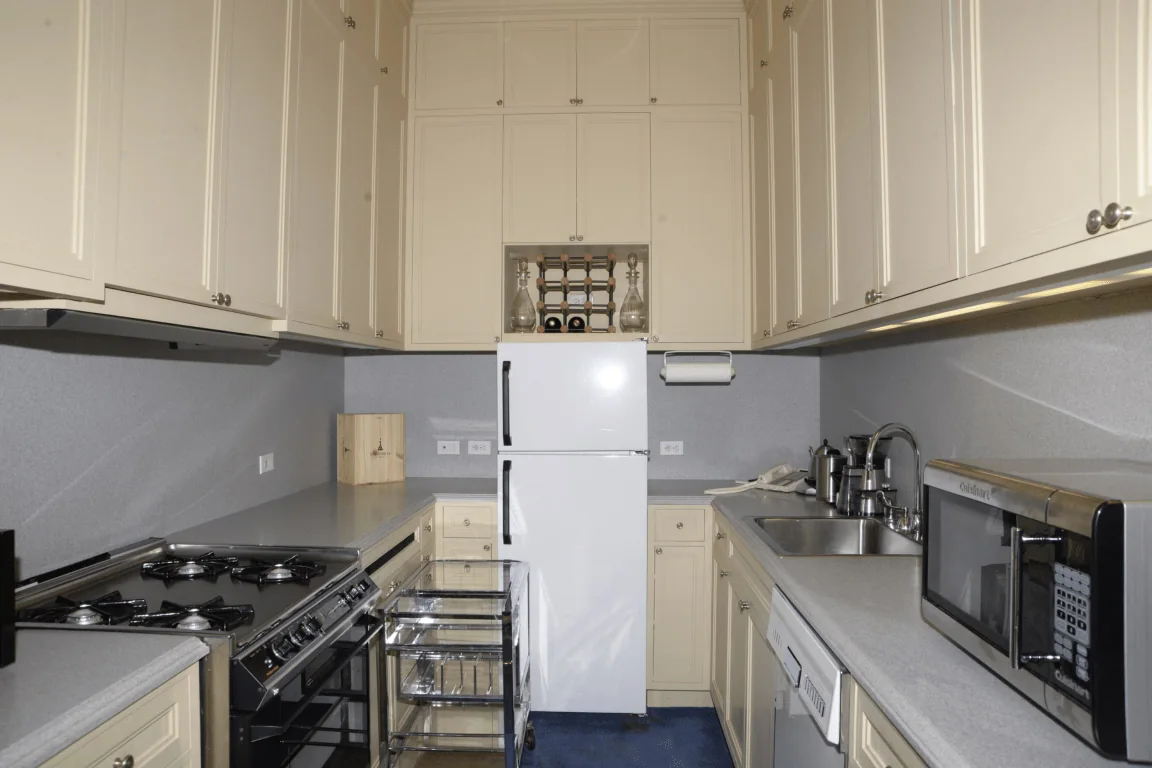
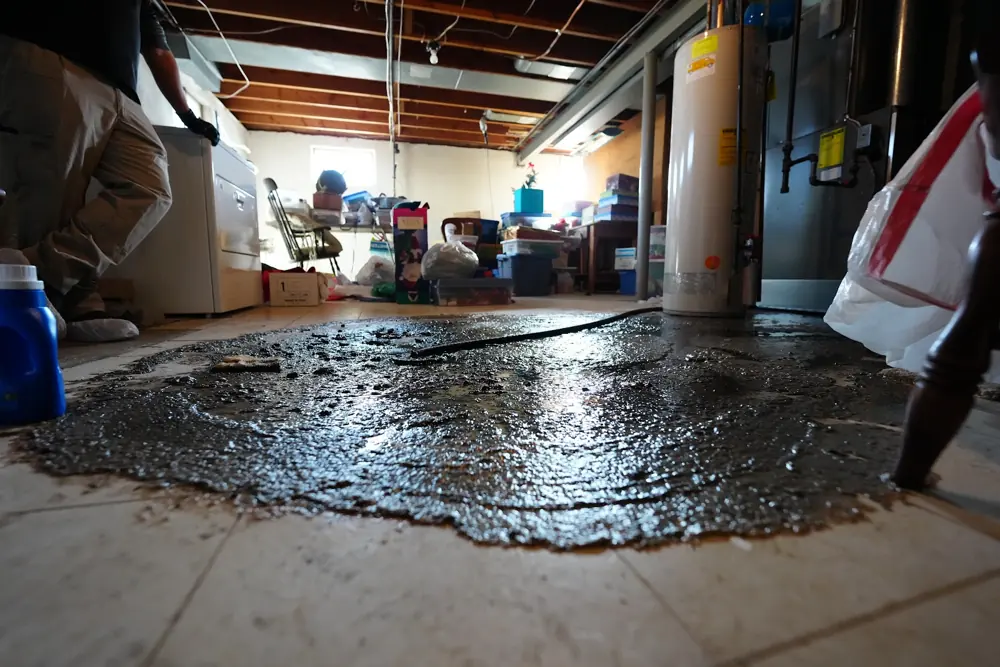
A refrigerator's ice-maker line or drain pan can leak behind the unit for weeks, quietly soaking the flooring and subfloor. Prompt extraction and moisture-verified drying protect hardwood and cabinets in Seattle kitchens.

A crew responds, shuts off the ice-maker supply, and pulls the refrigerator forward to expose the wet floor, subfloor, and cabinet edges behind it.
Standing water is extracted and moisture meters map how far the hidden leak spread into the flooring and subfloor.
Air movers, dehumidifiers, and floor-drying mats where hardwood is involved dry the subfloor and boards to a verified target.
Readings confirm the area is dry, and the loss is documented with photos for the insurance claim.

While help is on the way, these first steps, done only where it is safe, limit the damage and protect the insurance claim.
Shut the supply off at the source, or close the home's main valve if the source is not obvious. Stopping the flow limits the damage more than anything else.
Switch off electricity to the affected area, but only if the breaker can be reached without standing in or touching the water.
Get a crew dispatched right away. The sooner extraction and drying begin, the more flooring, drywall, and belongings can be saved.
Take photos and a short video of the water and the affected rooms before anything is moved, so the insurance claim starts strong.
Refrigerator leak cleanup in Seattle generally runs from about $700 to $3,500, depending on how long the ice-maker line leaked, whether hardwood and subfloor absorbed the water, and if flooring must be dried in place or replaced. A caught-early drip sits low, while weeks of hidden leaking that cupped a hardwood floor sits higher. The crew documents moisture readings and photos so the loss can be submitted to the carrier.
Crews reach Seattle and the surrounding Puget Sound communities fast, from Ballard, Fremont, Queen Anne, and Capitol Hill to West Seattle, Shoreline, Burien, Renton, Bellevue, and Kirkland. See the full list on the areas served across Seattle page.
See all areas servedEvery loss is photographed, measured, and logged from the first visit, so the paperwork holds up with the insurance carrier.
Technicians follow recognized IICRC drying standards and prove it with daily moisture readings on Seattle homes, not guesswork.
Emergency dispatch any hour of the day or night, with a real crew on the way across the Puget Sound area, not a callback in the morning.
A real crew dispatched any hour, not a callback in the morning.
Trained technicians following recognized IICRC drying standards.
Truck-mounted, portable, and submersible for any size loss.
The loss is documented and billed to the carrier directly.
Most start at the ice-maker and dispenser water line, from a cracked plastic tube, a loose fitting, or a failed shutoff valve. A clogged defrost drain or a cracked drip pan underneath is the other common source. Because these are all behind or beneath the unit, the leak is hidden from view.
The water escapes behind and under the refrigerator, so it spreads across the subfloor and beneath cabinets out of sight. In the humid marine climate it stays damp and works on the flooring for weeks. Many homeowners notice only when the floor edge feels soft, boards cup, or the fridge sits unevenly.
Often, if drying starts before the boards deform badly. The crew uses floor-drying mats and dehumidification to pull moisture from the boards and subfloor, and tracks readings to see whether the flooring flattens back. Boards that have permanently cupped are documented for repair as part of the claim.
Yes, in almost every case. The leak and the wet subfloor sit directly behind and beneath the unit, so pulling it forward is the only way to extract the water and dry the area. Leaving it in place would trap moisture in the exact spot where damage and mold are most likely.
A sudden line or fitting failure is commonly covered, while a slow leak left unaddressed for a long time may be seen as a maintenance issue. The crew documents the source and moisture readings so the claim reflects whether the loss was sudden or gradual.
Seattle crews are on call 24 hours a day, local and fast, and can be on the way within the hour.
Call (206) 984-4939