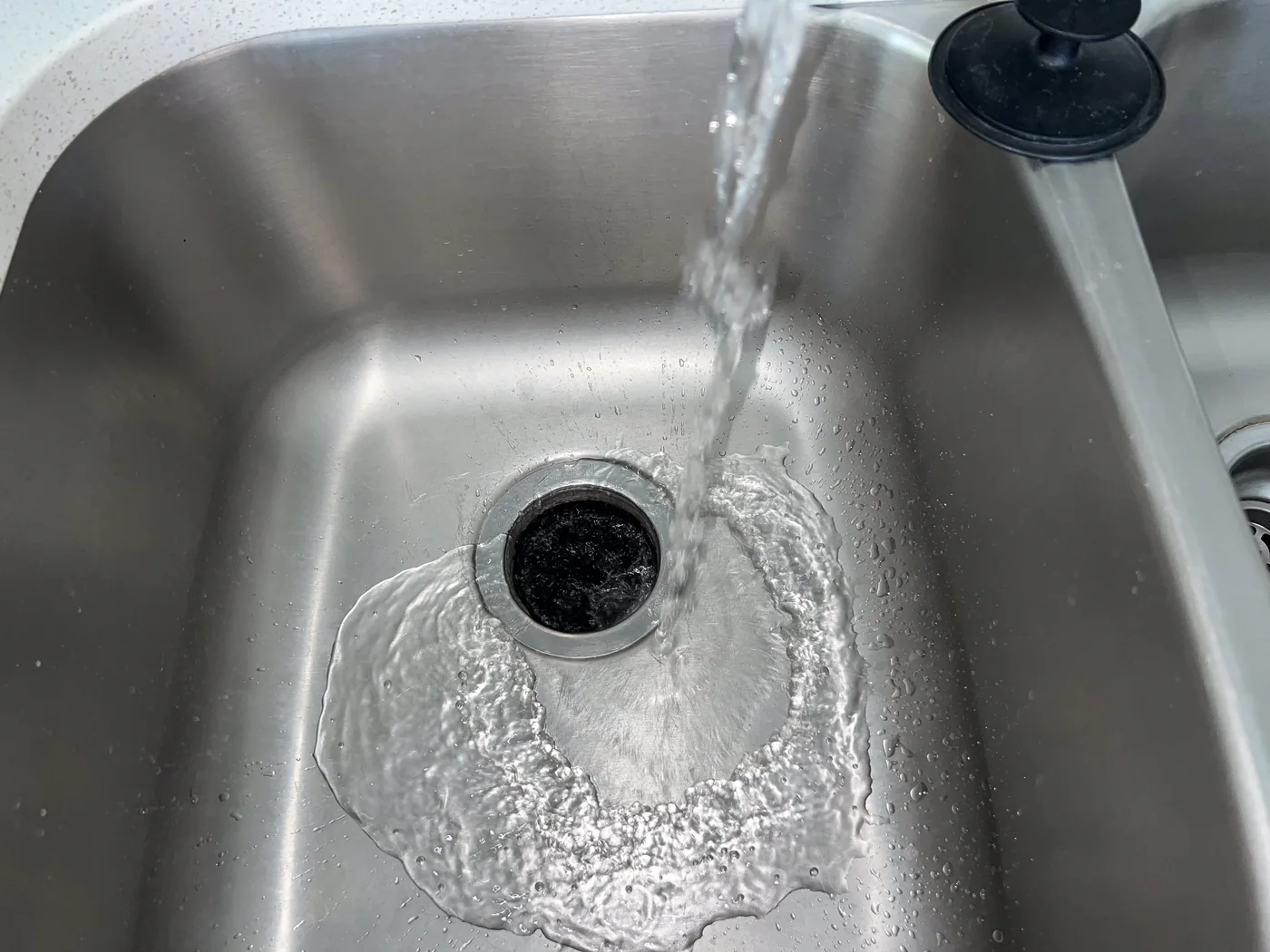
A dripping faucet or a leaking fixture connection sends water into cabinets, walls, and subfloor long before it shows. Prompt drying and moisture verification keep a small fixture leak from becoming a rebuild in Seattle homes.

A crew responds, confirms the fixture supply is shut off, and traces the leak to the valve, connector, or in-wall fitting so drying targets the true wet area.
Standing water is extracted, and cabinets or a small wall section are opened where needed to reach the wet framing and subfloor.
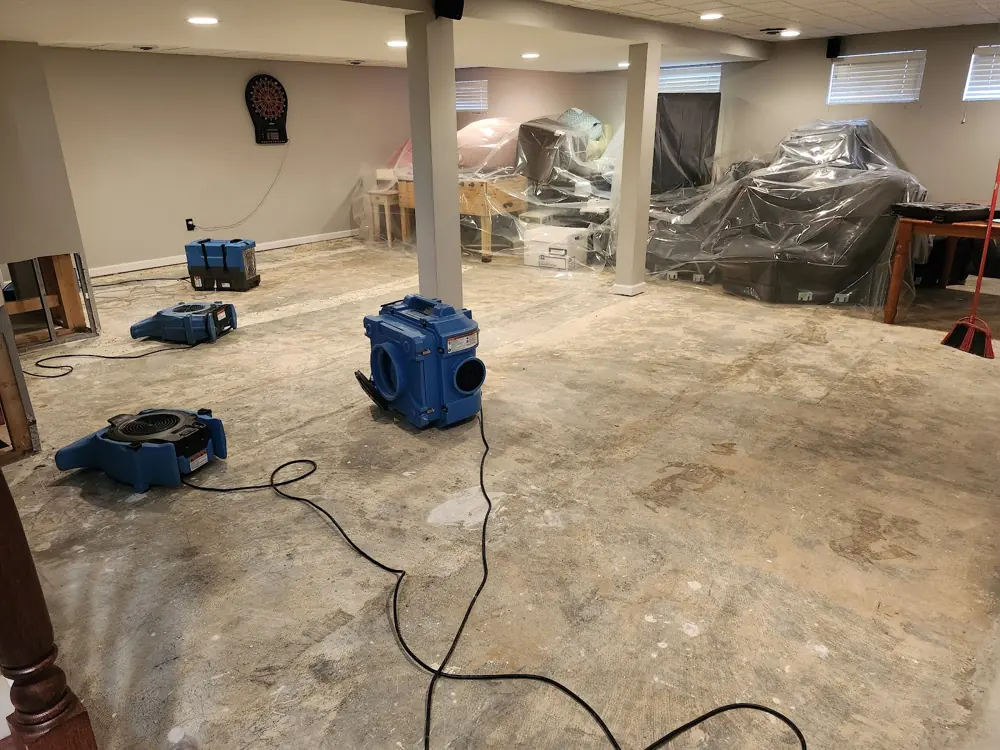
Air movers and dehumidifiers dry the cabinet cavity, wall, and subfloor to a verified target while a qualified plumber addresses the fixture repair.
Readings confirm the affected materials are dry, and the loss is documented with photos for the insurance claim.

While help is on the way, these first steps, done only where it is safe, limit the damage and protect the insurance claim.
Shut the supply off at the source, or close the home's main valve if the source is not obvious. Stopping the flow limits the damage more than anything else.
Switch off electricity to the affected area, but only if the breaker can be reached without standing in or touching the water.
Get a crew dispatched right away. The sooner extraction and drying begin, the more flooring, drywall, and belongings can be saved.
Take photos and a short video of the water and the affected rooms before anything is moved, so the insurance claim starts strong.
Faucet and fixture leak cleanup in Seattle usually runs from about $700 to $3,000, depending on how long the leak went unnoticed, whether it was under a cabinet or hidden inside a wall, and how much framing and flooring stayed wet. A quick catch under a sink sits low, while an in-wall valve leak that soaked framing for weeks sits higher. The crew documents moisture readings and photos so the loss can be submitted to the carrier.
Crews reach Seattle and the surrounding Puget Sound communities fast, from Ballard, Fremont, Queen Anne, and Capitol Hill to West Seattle, Shoreline, Burien, Renton, Bellevue, and Kirkland. See the full list on the areas served across Seattle page.
See all areas servedEvery loss is photographed, measured, and logged from the first visit, so the paperwork holds up with the insurance carrier.
Technicians follow recognized IICRC drying standards and prove it with daily moisture readings on Seattle homes, not guesswork.
Emergency dispatch any hour of the day or night, with a real crew on the way across the Puget Sound area, not a callback in the morning.
A real crew dispatched any hour, not a callback in the morning.
Trained technicians following recognized IICRC drying standards.
Truck-mounted, portable, and submersible for any size loss.
The loss is documented and billed to the carrier directly.
Because they run unseen. A weeping valve or connector releases only a little water at a time, but it travels down lines into cabinets, walls, and subfloor and accumulates over weeks. In the humid marine climate the wet framing dries slowly and can grow mold before the leak is ever discovered.
Sometimes a small, controlled opening is needed to reach and dry framing behind a tub or shower valve. If moisture readings show the cavity is drying and the leak has stopped, the crew may dry it with minimal opening. The goal is a verified dry structure with as little demolition as possible.
Often, yes, if drying starts before the boards cup or crown badly. Monitored air movers and dehumidifiers pull moisture from the wood, and the crew tracks readings to see whether the floor recovers. Boards that have permanently deformed are documented for repair as part of the claim.
The repair or replacement of the faucet, valve, or connector is handled by a qualified plumber. The crew stops and dries the water damage and coordinates timing so the cavity or cabinet is dried and verified around the plumbing repair rather than sealed up while still wet.
A sudden failure like a burst connector is commonly covered, while a slow drip left unaddressed for a long time may be seen as a maintenance issue. The crew documents the source and moisture readings so the claim reflects whether the loss was sudden or gradual.
Seattle crews are on call 24 hours a day, local and fast, and can be on the way within the hour.
Call (206) 984-4939