When an ice maker line leaks in a Queen Anne, WA home, local crews respond fast to limit the damage, following IICRC-standard drying methods for the wet subfloor and hardwood floors common in these older houses.

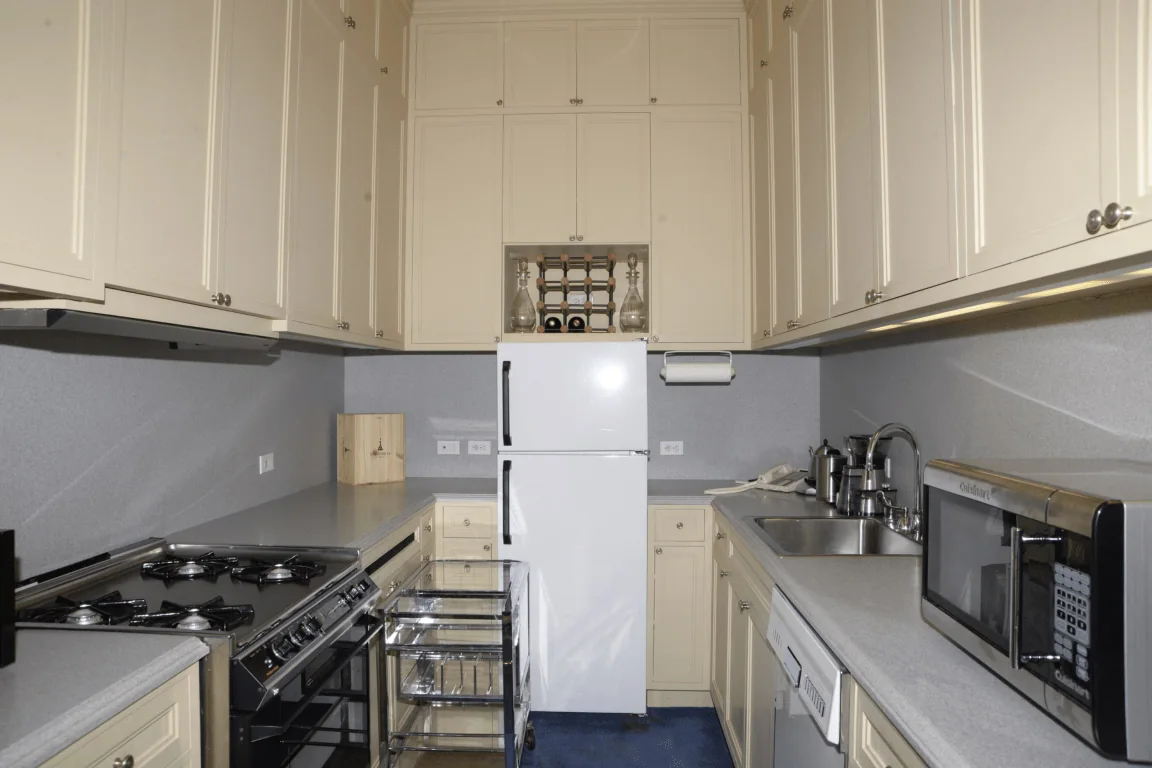
Technicians arrive at the Queen Anne residence, shut off the water supply to the ice maker, and carefully pull the refrigerator forward. This exposes the wet floor, any soaked subfloor material, and the lower edges of cabinetry for assessment.
After extracting standing water, the crew uses precise moisture meters to track how far the leak has traveled into the flooring. This mapping is critical in Queen Anne homes where water can migrate along the floor joists in daylight basements.
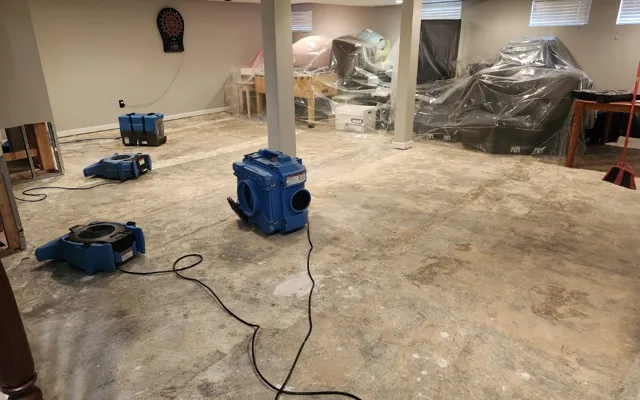
Air movers, dehumidifiers, and floor drying mats for hardwood are deployed to dry the affected materials to a verified standard. The process is monitored until moisture readings confirm the subfloor and flooring are fully dry.

Refrigerator leak cleanup in Queen Anne generally runs from about $700 to $3,500, depending on how long the ice-maker line leaked, whether hardwood and subfloor absorbed the water, and if flooring must be dried in place or replaced. A caught-early drip sits low, while weeks of hidden leaking that cupped a hardwood floor sits higher. The crew documents moisture readings and photos so the loss can be submitted to the carrier.
In Queen Anne, WA, the steep hillside slopes and many older homes built in the early 1900s create a scenario where a refrigerator leak can quickly impact more than just the kitchen floor. Water from a failing ice maker line can seep downhill into a daylight basement or spread under adjacent cabinetry, requiring a methodical local response. The combination of aging plumbing in Queen Anne's historic homes and the hill's groundwater pressure can stress refrigerator supply lines. A slow drip from an ice maker connection can go unnoticed until it damages the original hardwood floors or subfloors common in the neighborhood. From Queen Anne, crews also cover nearby Capitol Hill, Beacon Hill, Montlake, Madrona, Fremont, Wallingford. See every neighborhood and town on the full service area page.
See all areas servedEvery loss is photographed, measured, and logged from the first visit, so the paperwork holds up with the insurance carrier.
Technicians follow recognized IICRC drying standards and prove it with daily moisture readings on Queen Anne homes, not guesswork.
Emergency dispatch any hour of the day or night, with a real crew on the way across the Puget Sound area, not a callback in the morning.
A real crew dispatched any hour, not a callback in the morning.
Trained technicians following recognized IICRC drying standards.
Truck-mounted, portable, and submersible for any size loss.
The loss is documented and billed to the carrier directly.
Drying time depends on how long the leak lasted and the materials affected. For a caught early leak on a main floor, it may take 2 to 3 days. If water reached a daylight basement subfloor in a Queen Anne home, it can take 3 to 5 days to dry thoroughly to standard.
Most standard policies cover sudden, accidental water damage, like a burst ice maker line. The key is documentation. Local crews provide the moisture readings and photos needed to support the claim, which is common for these incidents in older Queen Anne homes with original flooring.
Crews are on call 24 hours a day and can be on the way to Queen Anne within the hour.
Call (206) 984-4939